
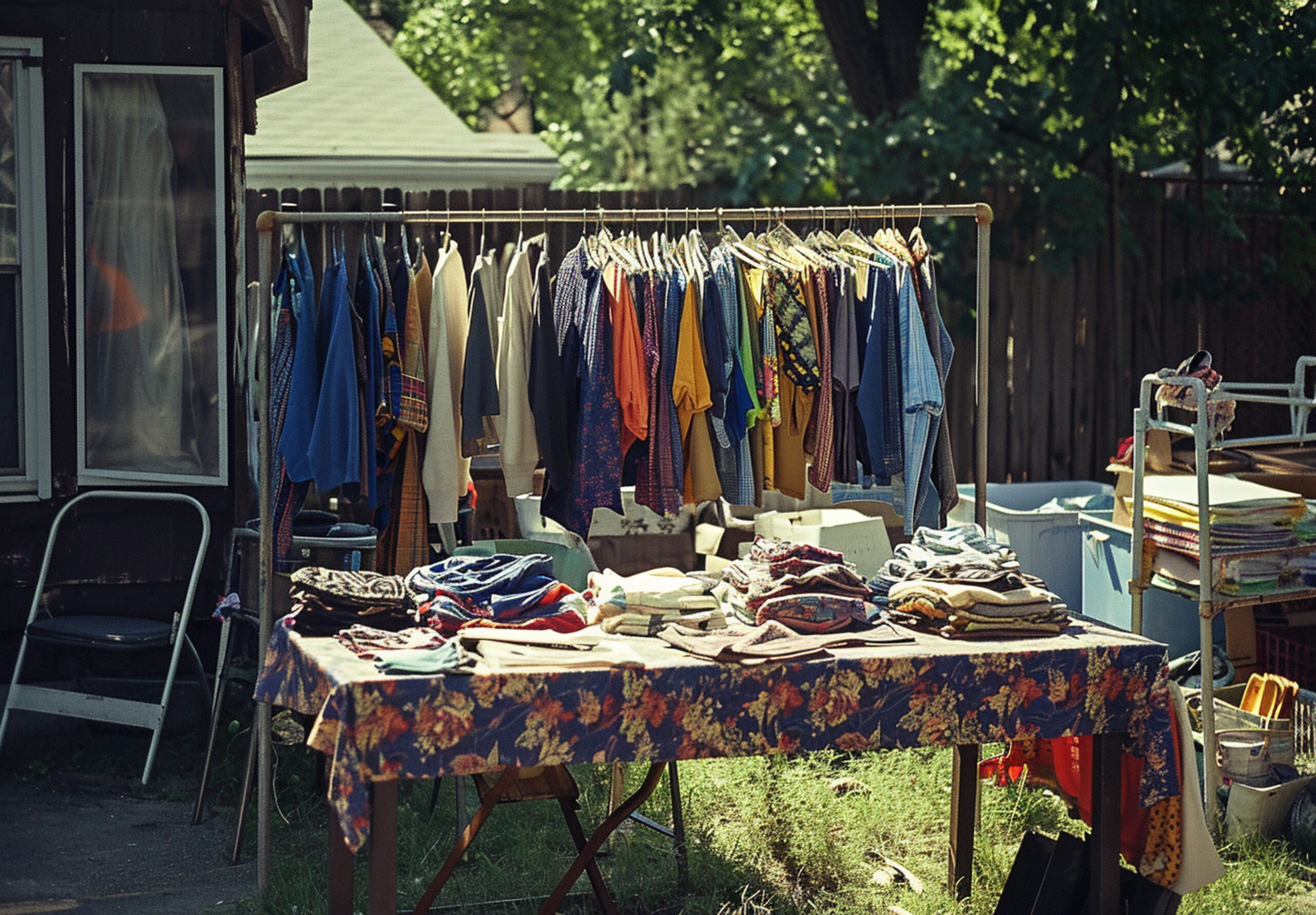
When we hear about sustainable fashion, it’s easy to associate it with expensive, niche brands that feel out of reach. But embracing sustainability doesn’t have to break the bank. In fact, shopping sustainably can be an affordable, creative, and rewarding journey. Here are my top tips for making sustainable fashion work on a budget.
Quick Side Note: Yes, we’ve all heard it: “There’s no ethical consumption under capitalism.” And honestly? Fair. But as much as I’d love to run off to a utopian commune where everyone wears hemp tunics and trades eggs for fabric, I still have to live in the real world. The best I can do is make thoughtful choices where I can—and that’s okay too. Imperfect activism is better than no activism.
1. Thrift and Vintage Shopping

One of the best ways to embrace sustainable fashion is by giving pre-loved items a new home. Thrift stores, vintage shops, and consignment stores are treasure troves for unique and affordable pieces. You’ll not only save money but also help reduce the demand for new production—a win for your wallet and the planet!
Pro Tip: Take your time when thrifting. Visit stores on restock days and explore all sections (sometimes the men’s section has hidden gems). Also, keep an open mind—a little DIY or tailoring can transform an item into something truly special.
2. Organize a Clothing Swap
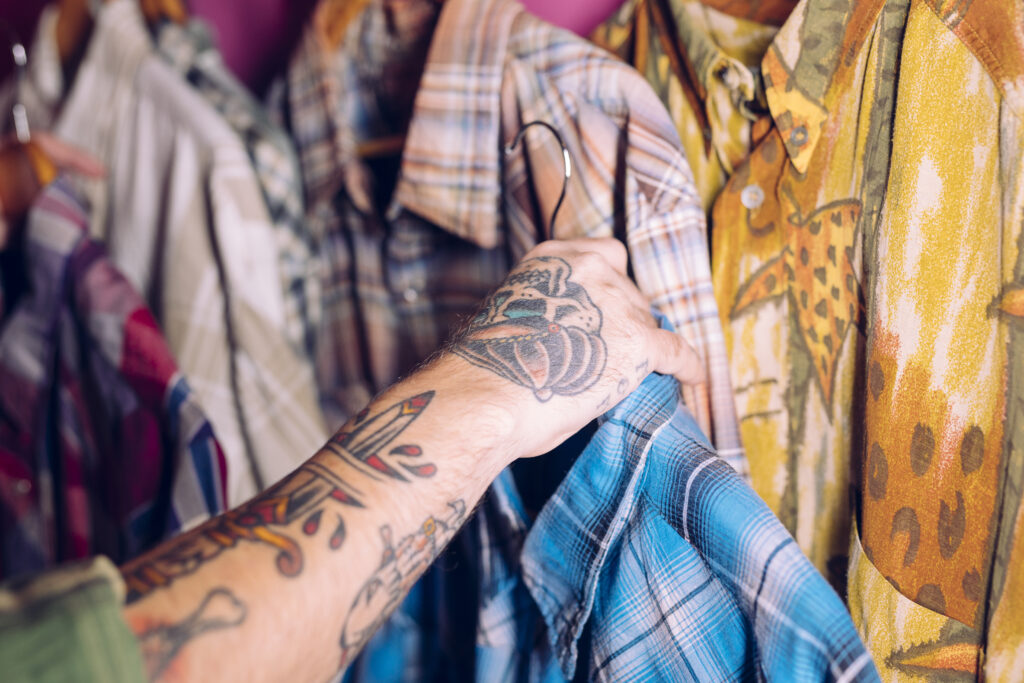
Gather your friends or community members for a clothing swap. This is a fantastic way to refresh your wardrobe without spending a dime. Everyone brings clothes they no longer wear, and you exchange items. It’s sustainable, fun, and an opportunity to snag pieces that suit your style.
3. Invest in Timeless Pieces

While buying new might sometimes be necessary, focus on timeless, versatile pieces that will last for years. Look for high-quality materials and classic designs that won’t go out of style. Spending a little more upfront on durable items can save you money in the long run.
Pro Tip: Check out ethical brands’ clearance sections or seasonal sales for discounts on sustainable staples.
4. Embrace Minimalism

A minimalist wardrobe (or capsule wardrobe) is all about curating fewer, better-quality items that mix and match seamlessly. By focusing on key pieces that you truly love, you’ll reduce waste and avoid impulse buys. Plus, getting dressed becomes so much easier!
5. Upcycle and Repair
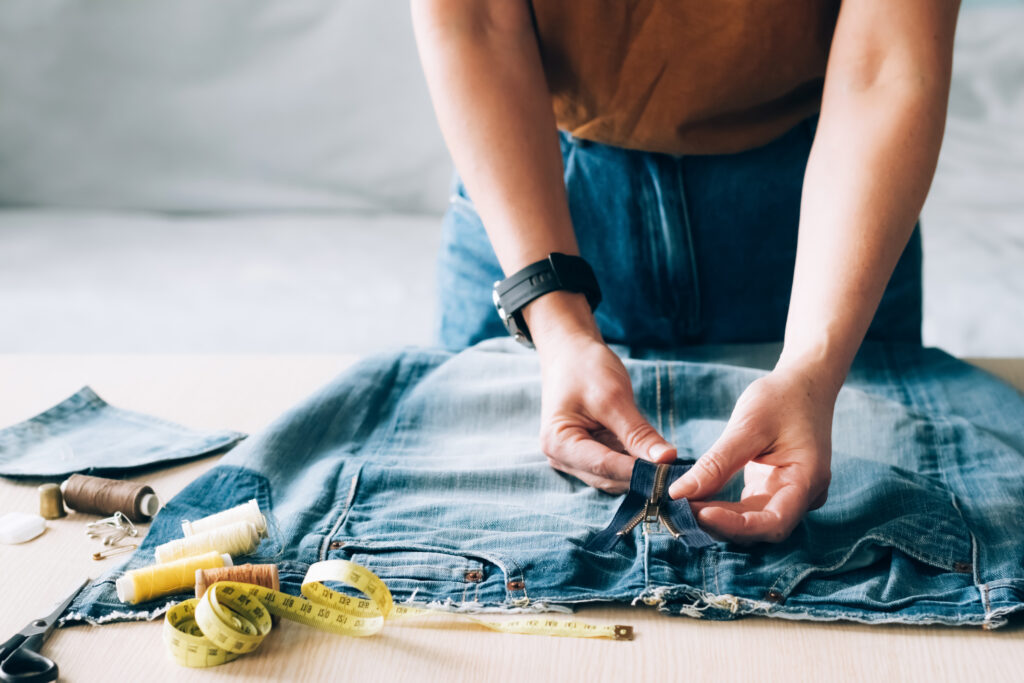
Before tossing out damaged or outdated clothing, consider giving them a new life. Learn basic sewing skills to repair holes or replace buttons, or try upcycling projects to transform old clothes into something fresh and stylish. You’d be amazed what a little creativity can do.
Pro Tip: YouTube and TikTok are great resources for upcycling tutorials and inspiration.
6. Shop Secondhand Online
Online platforms like Poshmark, Depop, and ThredUp make secondhand shopping incredibly convenient. You can find affordable, gently-used pieces from the comfort of your home. Many sellers offer discounted prices for bundles, helping you save even more.
Pro Tip: Use filters to narrow down your search by size, brand, or color, and always check seller reviews.
7. Support Small and Local Businesses
Local artisans and small businesses often produce sustainable fashion at reasonable prices. Shopping locally not only reduces the carbon footprint of your purchases but also supports your community. Keep an eye out for craft fairs or markets where you can discover unique, handmade items.
Pro Tip: Nothing says “main character energy” like wearing a one-of-a-kind piece from a local designer.
8. Prioritize Natural Fabrics
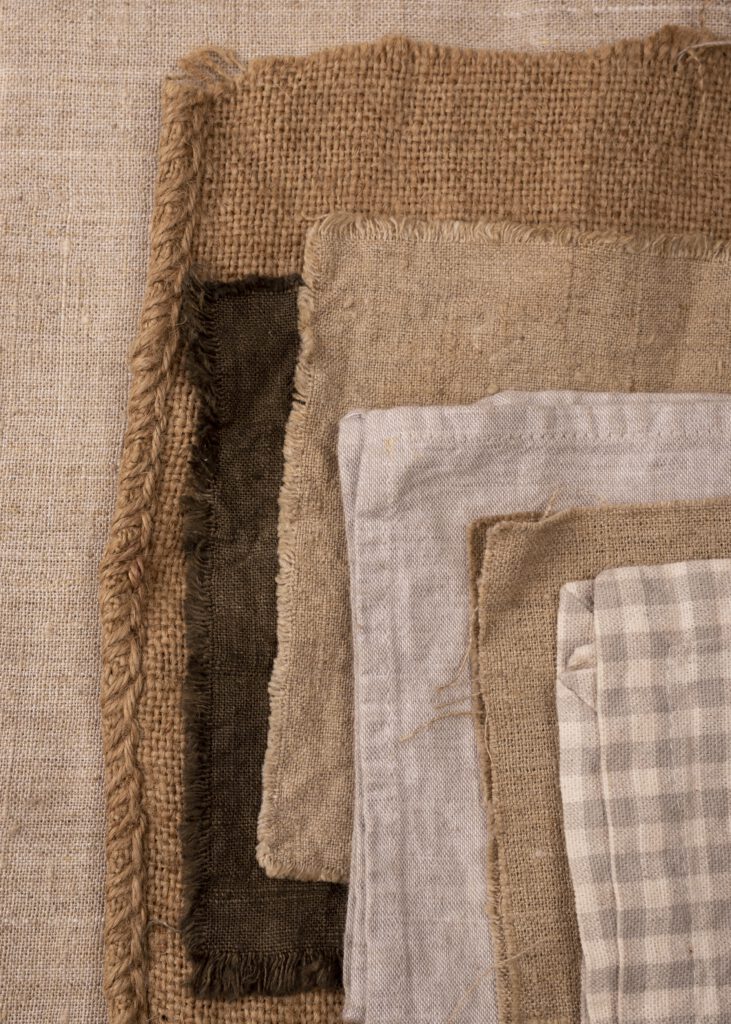
When choosing new or secondhand clothing, prioritize natural fabrics like organic cotton, linen, and wool. These materials are more eco-friendly than synthetics, which shed microplastics. They also tend to last longer and feel better on your skin.
9. Learn to Love What You Own
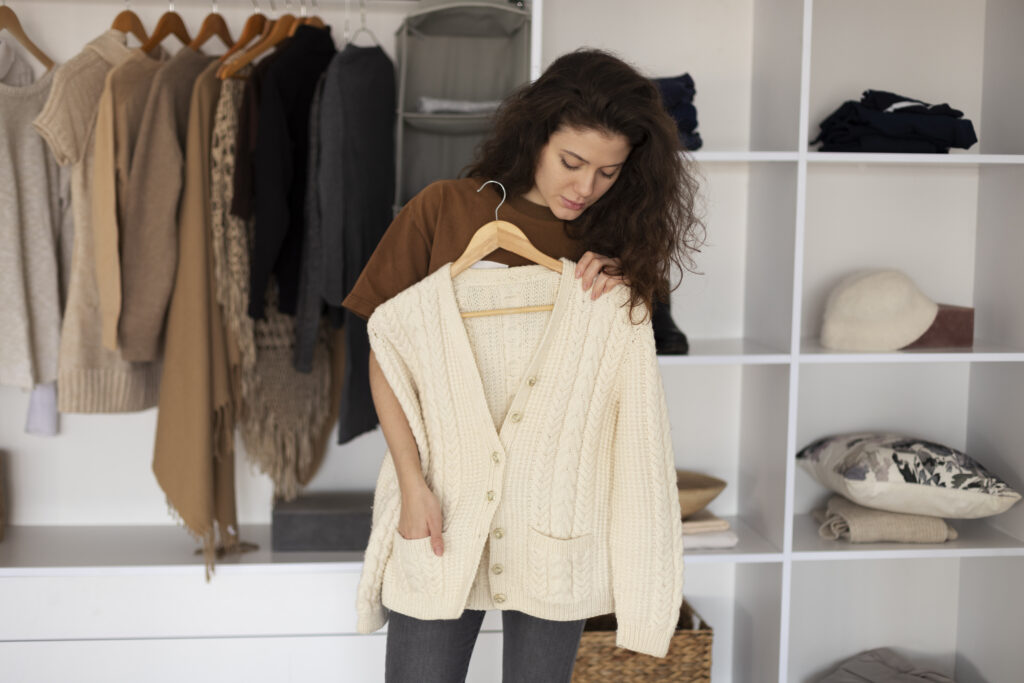
Sometimes, sustainable fashion starts with appreciating what’s already in your closet. Experiment with new ways to style old pieces or mix and match outfits in unexpected combinations. Falling back in love with your wardrobe can curb the desire to shop unnecessarily.
10. Educate Yourself and Spread the Word
Knowledge is power when it comes to sustainability. Learn about the environmental and social impact of the fashion industry, and share what you learn with others. By spreading awareness, you can inspire others to join you in making sustainable choices.
Pro Tip: Arm yourself with fun facts for when someone asks about your outfit. “Oh, this? Gee thanks, It’s thrifted.”
Final Thoughts
Sustainable fashion doesn’t have to mean expensive or unattainable. By shopping secondhand, embracing creativity, and focusing on quality over quantity, you can build a wardrobe that reflects your values without stretching your budget. Every small step toward sustainability counts, so start where you can and enjoy the journey of thoughtful, mindful fashion. And remember—your style is already iconic, but saving the planet? That’s next-level.
