
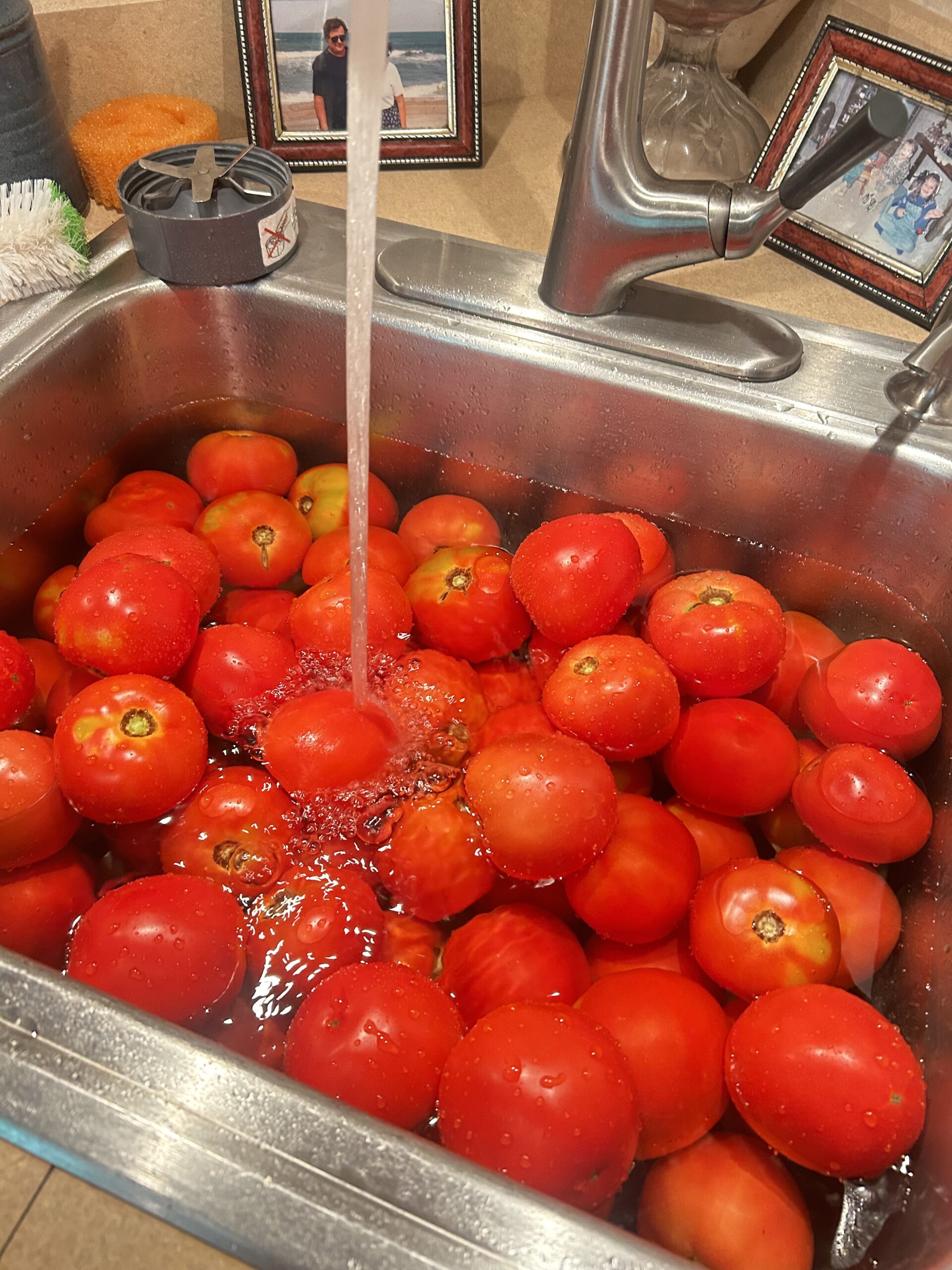
Food has always been more than just sustenance—it’s a connection to our past, a tool for building community, and an act of sustainability. This blog takes you on a journey through my experience canning tomatoes with my Mawmaw, an endeavor that combines the practical, the historical, and the deeply personal. You’ll learn about the rich traditions of food preservation, its environmental and economic benefits, and how you can incorporate these timeless practices into your own life.
Expect to uncover the health advantages of canning at home, simple recipes for preserving your own produce, and the cultural significance of coming together to preserve food. Whether you’re interested in sustainability, looking for budget-friendly ways to stock your pantry, or seeking inspiration to reconnect with family and community, this blog offers a little something for everyone.
The Importance of Farm-Raised Food
As someone deeply committed to sustainable living for both environmental and health reasons, sourcing farm-raised food is a high priority for me. This year, I decided to embrace an old farming tradition with the help of my Mawmaw, bringing a sense of heritage and practicality into my food preservation journey. Together, we canned tomatoes—a project inspired not just by sustainability but also by health concerns. Tomatoes’ high acidity can cause them to leach chemicals from metal cans, making glass-jarred or boxed tomatoes the healthier choice. However, purchasing jarred tomatoes from specialty stores can be quite costly.
A Return to Tradition

Instead of buying them, I turned to a time-honored tradition and reached out to my Mawmaw for her expertise. I made the drive to her cozy cabin in the Kentucky mountains, surrounded by forests and close-knit farming communities. She sourced tomatoes from her sister’s farm and other local growers, a perk of living in an area rich with farmers. For those on a budget, it’s worth noting that purchasing produce directly from rural farms can often be more economical than buying from urban farmers’ markets, where prices are typically higher.
Environmental Sustainability of Local Sourcing
Canning tomatoes yourself isn’t just healthier and more affordable—it’s also better for the environment. By sourcing tomatoes from local farmers, you reduce the carbon footprint associated with transporting produce over long distances. Local farms often use less packaging, which minimizes waste, and buying directly from farmers supports sustainable agricultural practices. Choosing local produce aligns with the principles of sustainability by minimizing the environmental impact of your food choices while fostering connections within your community.
The Historical Roots of Food Preservation
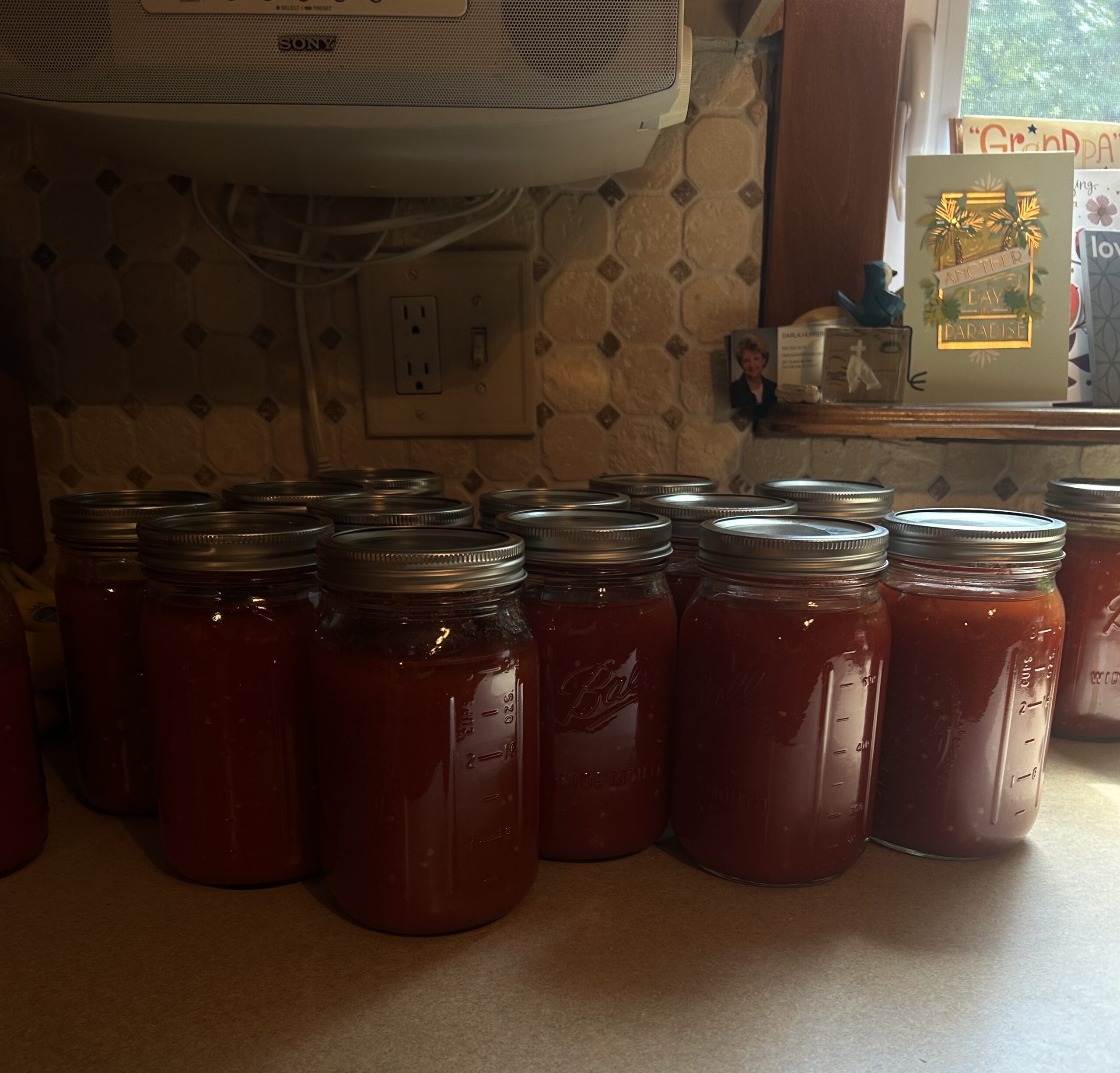
The act of preserving food has deep historical roots, often tied to community and cultural practices. Women throughout history have come together to can, dry, and ferment foods to prepare for the winter months and provide for their families. In Ireland, where my family’s heritage lies, food preservation was not just a necessity but also a communal activity. Women gathered in kitchens or around open fires to share knowledge, stories, and labor—transforming a practical task into a meaningful tradition.
During times of economic hardship, such as the Great Depression and World War II, these practices took on even greater significance. Women pooled their resources and worked together to ensure their families had enough to eat. These moments of collaboration were more than survival tactics; they were acts of resilience and hope. The shared determination and creativity of these communities remind us of the strength found in collective effort.
Today, as we face our own economic challenges, we can take inspiration from these traditions. By coming together with family, friends, or neighbors to preserve food, we not only save money but also build connections and create memories. Preserving food is more than a cost-saving measure—it’s an opportunity to foster community, honor heritage, and practice self-reliance.
The Food Preservation Process
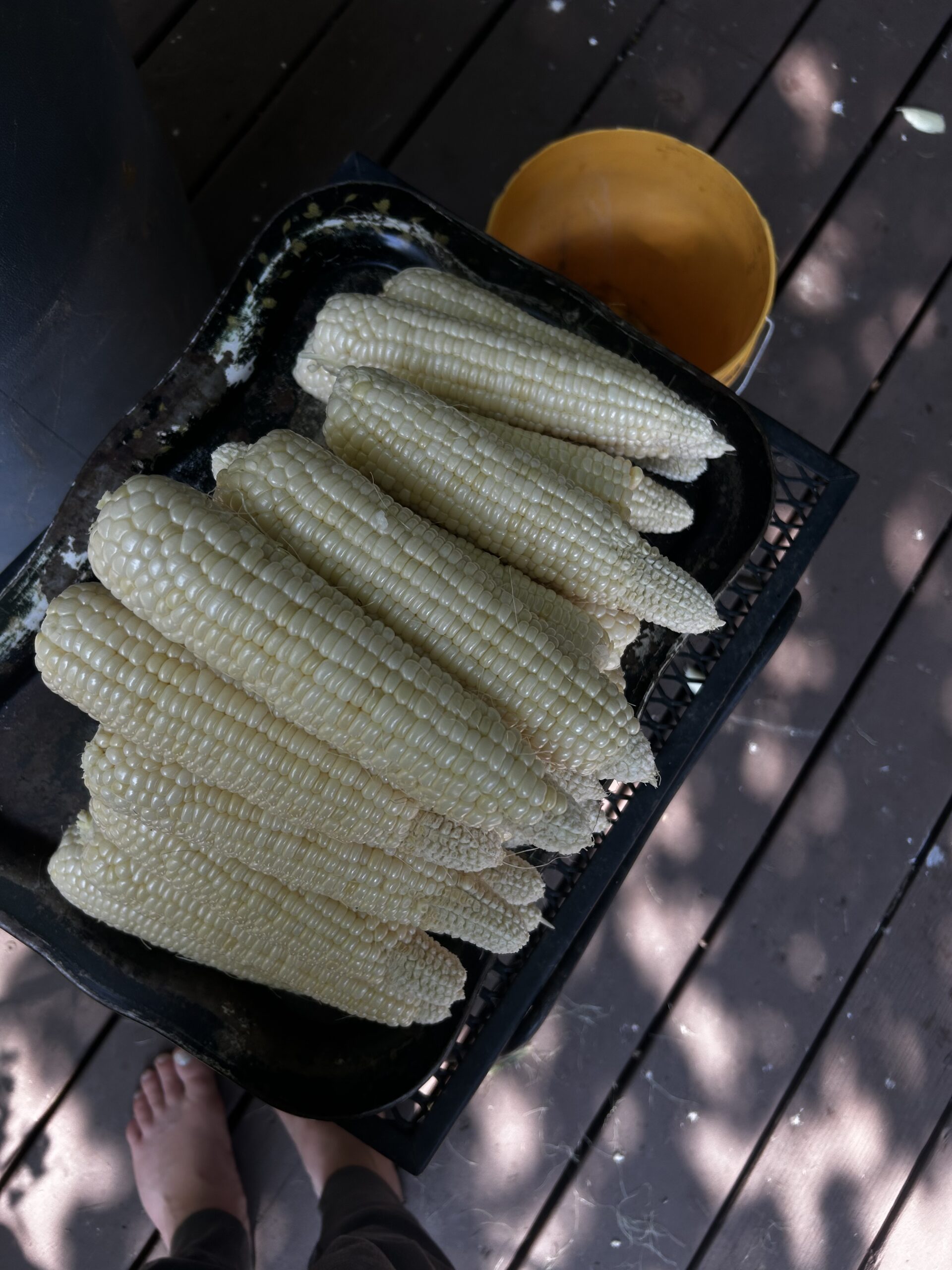
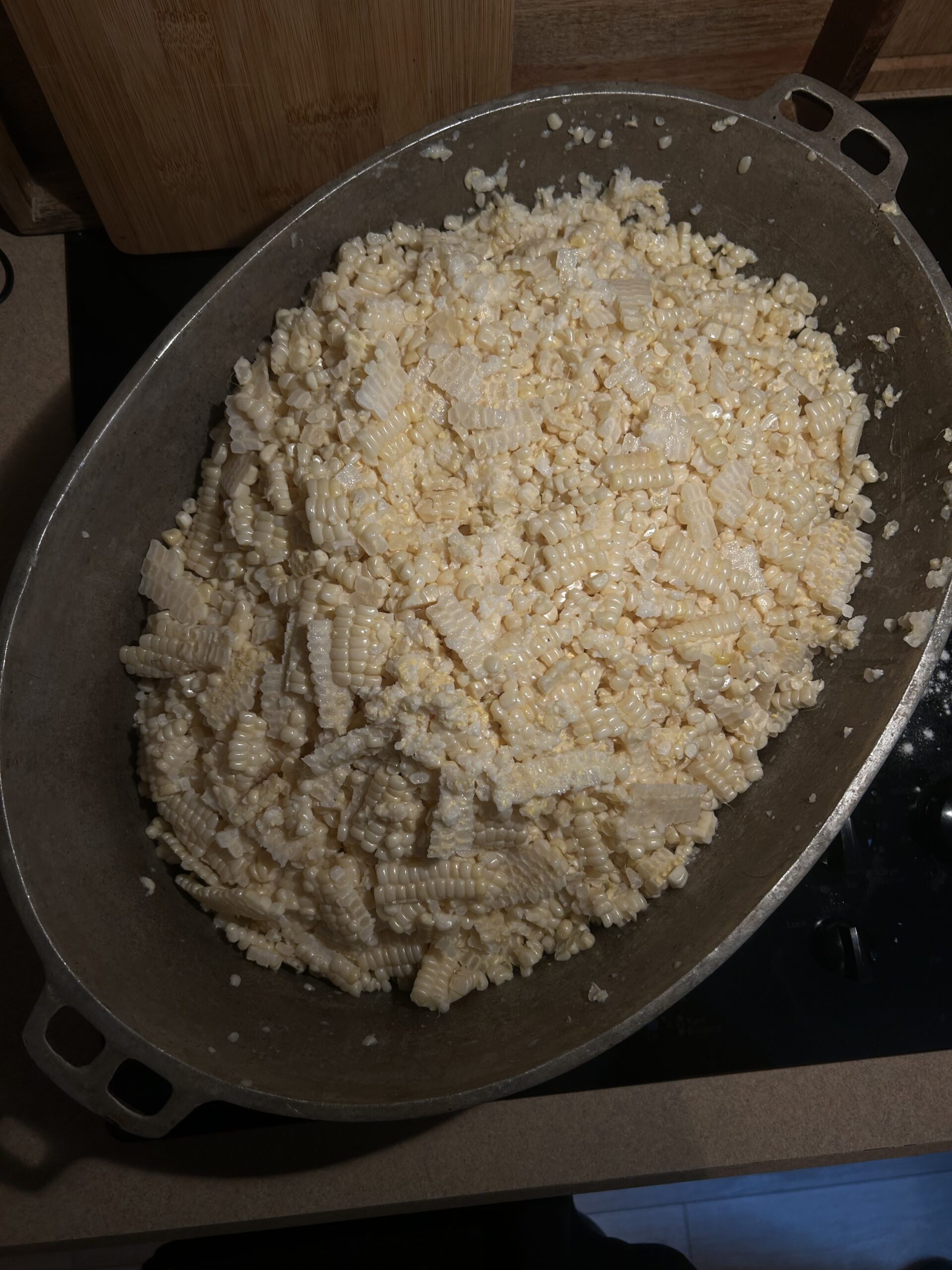
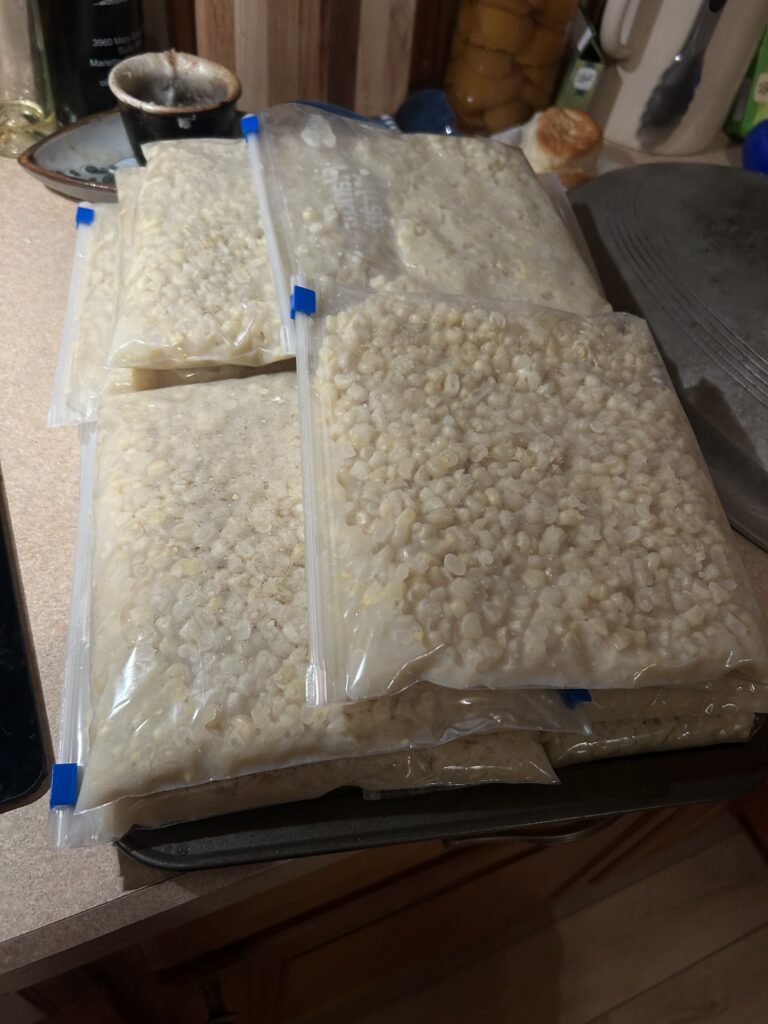
Once I arrived, we quickly got to work. Processing the tomatoes took only about two hours, and while we were at it, we decided to preserve corn and squash by deep-freezing them as well. Each vegetable took roughly two hours to prepare and store. It was efficient, hands-on, and immensely rewarding.
Health Benefits and Cost Savings of Glass-Jarred Tomatoes
One of the reasons I decided to can tomatoes myself was the health concerns associated with store-bought canned tomatoes. Tomatoes’ high acidity can cause them to react with the lining of metal cans, which often contain bisphenol-A (BPA) or similar chemicals. BPA has been linked to health issues such as hormonal disruptions and increased risks of certain illnesses. In contrast, glass jars provide a non-reactive, chemical-free alternative, preserving the freshness and flavor of the tomatoes without the risk of chemical contamination. By canning at home, you gain control over the process and ensure your food is as safe and natural as possible.
Additionally, canning tomatoes yourself is a cost-effective solution, especially for those on a budget. Store-bought jarred tomatoes can be expensive, particularly when sourced from specialty or organic stores. By purchasing tomatoes in bulk from local farmers or growing your own, you significantly reduce costs while creating a stockpile of nutritious, preservative-free tomatoes ready for use in your favorite recipes. Cheaper and better for you? It’s a win win.
Simple Tomato Canning Recipe
Ingredients:
- Fresh tomatoes (as many as you’d like to can)
- A pinch of salt (per jar)
Equipment:
- Food processor or blender
- Large pot
- Sterilized canning jars with lids
Steps:
- Remove the tops from the tomatoes and cut them into smaller, blendable pieces.
- Blend the tomatoes in a food processor or blender until smooth.
- Pour the blended tomatoes into a large pot and cook them down over medium heat, adding a pinch of salt for flavor. Stir occasionally to prevent sticking.
- Once the tomatoes have slightly thickened, carefully ladle the hot mixture into sterilized jars, leaving about half an inch of headspace.
- Secure the lids on the jars tightly.
- As the jars cool, the heat change will create a seal. You’ll know the jars are sealed properly when you hear a pop or observe the center indent.
Now you have homemade, preserved tomatoes ready to use in soups, sauces, or any dish that calls for a touch of summer freshness!
Simple Corn Freezing Recipe
Ingredients:
- Fresh ears of corn
Equipment:
- Large pot
- Sharp knife
- Freezer-safe bags
- Baking sheet or cookie tray
Steps:
- Shuck the corn, removing the husks and silks. (Save some of the silks for silk tea!)
- Using a sharp knife, carefully cut the kernels off each cob.
- Place the kernels in a large pot and boil them down briefly, about 3-5 minutes.
- Strain off the excess water and allow the corn to cool completely.
- Divide the corn into portions and transfer them into freezer-safe bags.
- Lay the bags flat on a cookie tray or baking sheet and freeze. This method ensures the bags freeze in a flat shape, making them easier to stack and store in the freezer.
With these simple steps, you can enjoy the taste of fresh corn all year round!
Connecting Through Stories

While we worked, my Mawmaw shared stories from her childhood—memories of preserving food, tales of family lore, and glimpses into her life growing up. These conversations turned the practical task of food preservation into a rich bonding experience. I left feeling like I had gained not only practical skills but also a deeper understanding of her world and our family’s history.
Bridging Generations and Cultures

Please ignore my weird thumb nail, corn shucking got a little crazy.
In today’s fast-paced world, especially in America, it’s easy to lose touch with cultural traditions that bridge generational divides. Yet, moments like this remind me how meaningful it is to reconnect with those roots. The act of multiple generations coming together to prepare for winter, work on a shared task, and pass down knowledge is a beautiful expression of culture. For me, it also felt like a way to honor my heritage as the descendant of Irish farmers.
The Rewards of Preservation

Preserving food with my Mawmaw not only filled my pantry with healthy, affordable options but also deepened our connection and brought a piece of our family’s culture to back to life. It’s a reminder that tradition can be practical, meaningful, and incredibly fulfilling.
A Call to Action
If you’re looking to incorporate affordable farm-raised food or preservation techniques into your life, consider taking inspiration from historical and cultural traditions by creating something similar within your own community. Whether it’s gathering with family members to can produce, organizing a food preservation workshop with neighbors, or starting a seasonal tradition with close friends, these shared experiences offer more than just practical benefits.
By coming together, you can pool resources, share knowledge, and build stronger connections within your community. These moments of collaboration not only help combat economic challenges but also create lasting memories and foster a sense of belonging. Food preservation can become a meaningful tradition in your circle, blending practicality with cultural heritage and community resilience.
Start small—reach out to a friend, family member, or neighbor and plan a day to can or freeze local produce. Together, you can build something lasting that nurtures both your pantry and your relationships.
